

In War Thunder’s wild skies, missiles decide if you live or eat dirt. I’ve racked up hours testing every variant, eating way too many lock-ons, and piecing together the dodges that actually work. This breakdown pulls it all straight from those brutal lessons.
Understanding the Three Main Missile Categories
War Thunder packs missiles into three core types, each pulling off wildly different tricks in a fight.
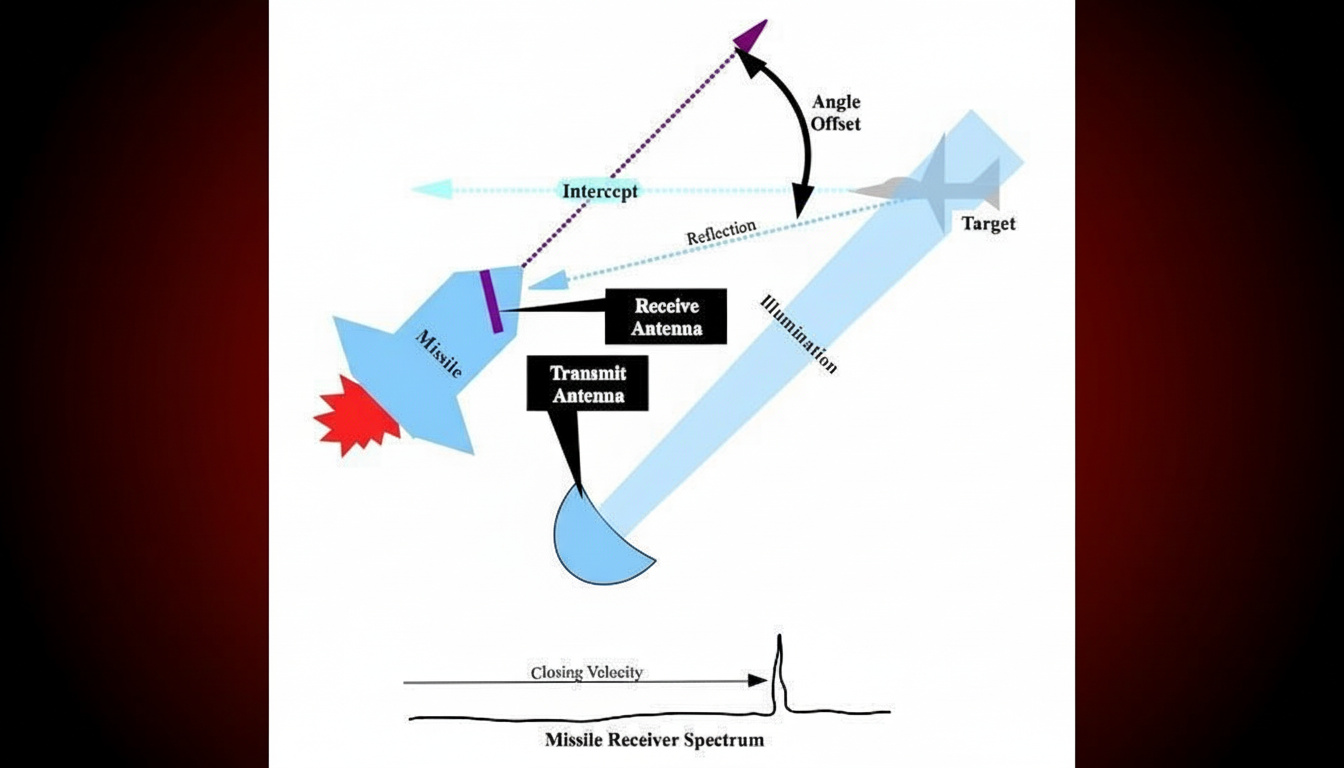
Fox 1 missiles run on semi-active radar homing – lock up with radar first, then keep that beam on target the whole way. Your plane’s radar bounces signals off the enemy, and the missile follows those echoes right in.
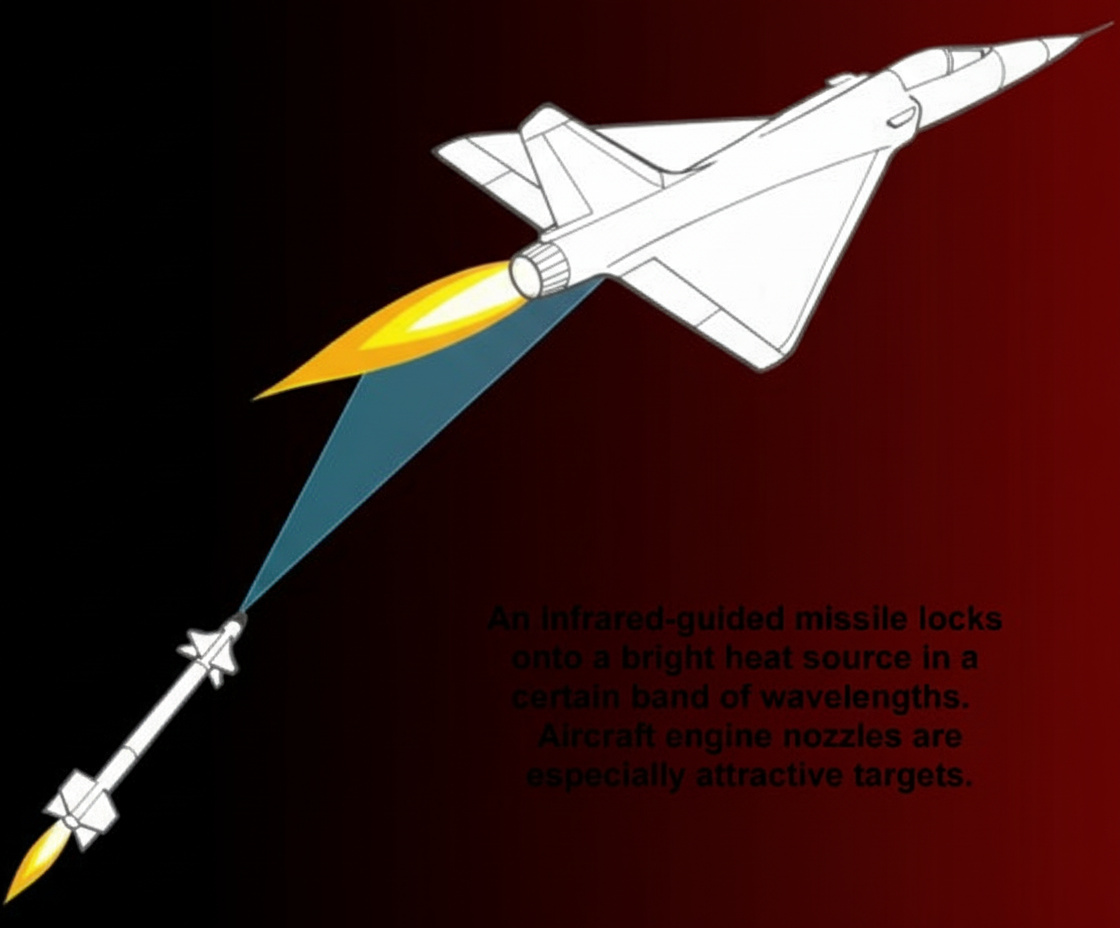
Fox 2 missiles sniff out heat with infrared seekers. Off the rail, they hunt solo – zero help from your jet. The catch? No RWR ping, so they sneak up, but flares can wreck them easy.
Fox 3 missiles bring active radar homing, the real deal. Built-in radar kicks in about 15 km out, letting you fire and bail. True fire-and-forget once that seeker lights up.
Know your missile family before you commit to a shot — each behaves totally differently in combat.
Infrared Missiles: The Heat-Seeking Predators
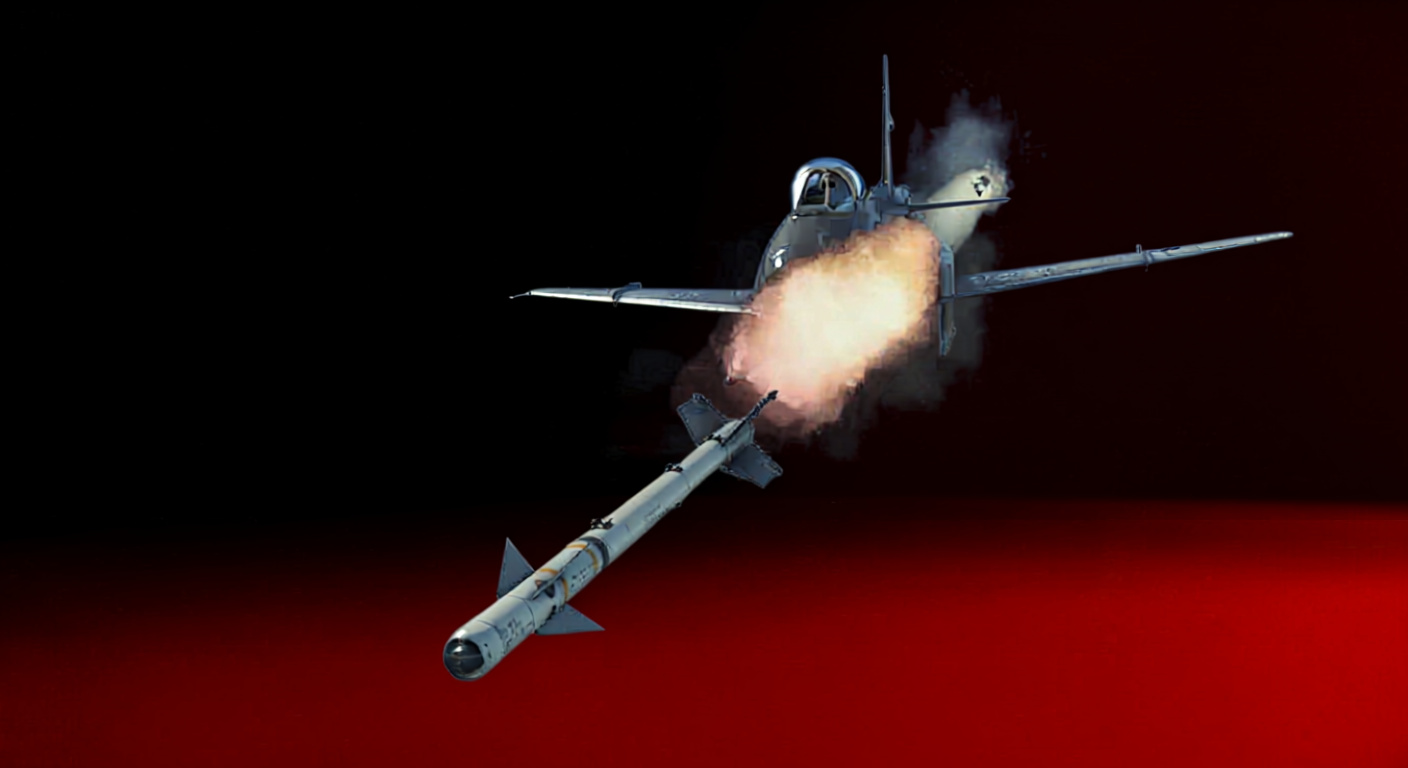
Infrared missiles grab you because they straight-up stalk engine glow through the chaos.
How IR Seekers Actually Work
That nose dome hides a detector tuned for heat – old-school ones used lead sulfide cells that only grabbed stuff hitting 500-800 Kelvin. Kept them glued to rear exhaust blasts. Newer setups swap in indium antimonide with cryocoolers, stretching detection way further. Now they snag plume heat or even airframe friction glow – cue all-aspect locks from any angle. Guidance spins a slotted disk in front of the sensor, chopping the IR signal into pulses. The system crunches those patterns to nail the target’s spot and ditch the noise. It leveled up to conical scanning, where the head wobbles around the sightline – locks get razor-sharp.
IRCCM: The Counter-Countermeasure Revolution
Third-gen beasts like the AIM-9M, R-73, and Stinger flipped the script with real anti-flare tech.
They spot IR spikes that engines just can’t fake that fast. Seeker blanks out quick, lets the flare fade from view, then snaps back to the real deal.
Launch trick: narrow the seeker’s cone right away – blocks decoys cold.
Dual-band versions cross-check two IR bands at once, sorting threats from fakes in a blink.
The Sidewinder Family Evolution
AIM-9 Sidewinders trace the whole missile story. The B model stuck to tail chases on straight-line foes – matches the Soviet R-3S or Chinese PL-2 dead on.
Weird twist: AIM-9C jumped ship to semi-active radar.
D model crammed in cooling that blew doors off performance, E ramped sensitivity and range with better chill.
Steps kept coming – G grabbed radar feeds for extra acquisition, H swapped to solid-state for faster tracks, J stretched control time for sharper turns.
L hit big as the first all-aspect and joint-service standard.
M and RB 74(M) run low-smoke rockets – keeps your shot hidden till it bites.
Standout IR Missiles Worth Knowing
- R-27T packs gatewidth IRCCM, its long-leg brother R-27ET screams faster with way more reach – longest IR reach in the game right now.
- R-73 owns up-close scraps with 50 G thrust vectoring. But that sluggish speed boxes it in.
- France’s Magic 2 nailed quick gatewidth but trades distance for it.
- AIM-9M and AIM-9L/I kill the seeker mid-flight, guessing target path from last data. Smart play, but it can backfire.
- Japan’s AAM-3 mixes smokeless boost with shutoff, hits higher Gs, drags less than AIM-9M.
- China’s PL-5E2 blasts off quicker than any short-range IR. That kick hits G limits so soon it sometimes overshoots.
- PL-8B hauls with insane accel and turns. Extra weight lets it coast further. Nails short-range sure shots or stretches where other IRs flop.
Semi-Active Radar Homing: The Lock-On Challenge
SARH demands you rethink fights – radar beam stays on from launch to boom.
Launch Envelope Complexities
Each SARH has min-max ranges that shift with the mess:
- Homing kick-in time – R-3R snaps in 0.5 seconds, AIM-7D/E drag to 2
- Fuse arm time post-launch
- Turn limits per model
- Your angle to the target
- Aero setup, thrust, burn length
- Alt gaps – launch high, range explodes; target high, it shrinks
- Speeds and headings – runners slash max distance
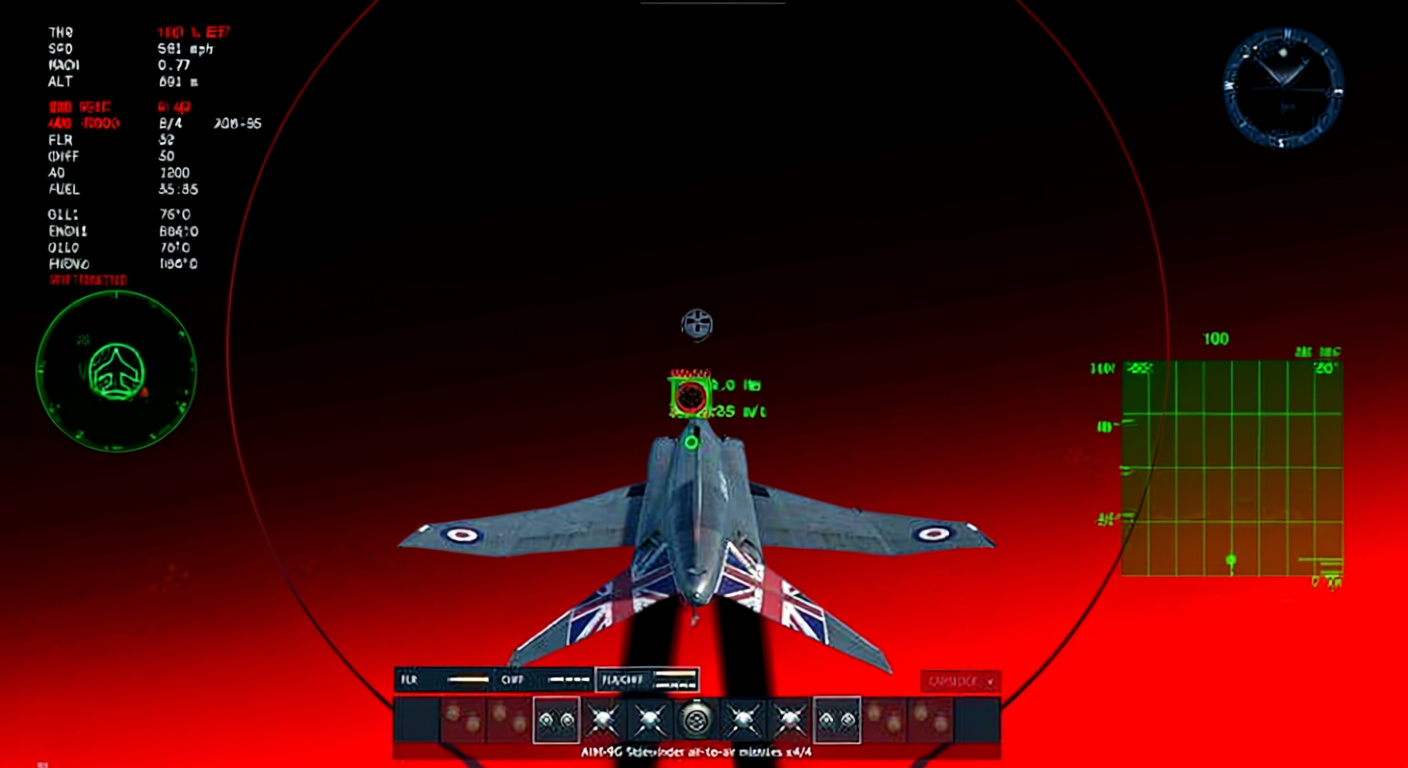
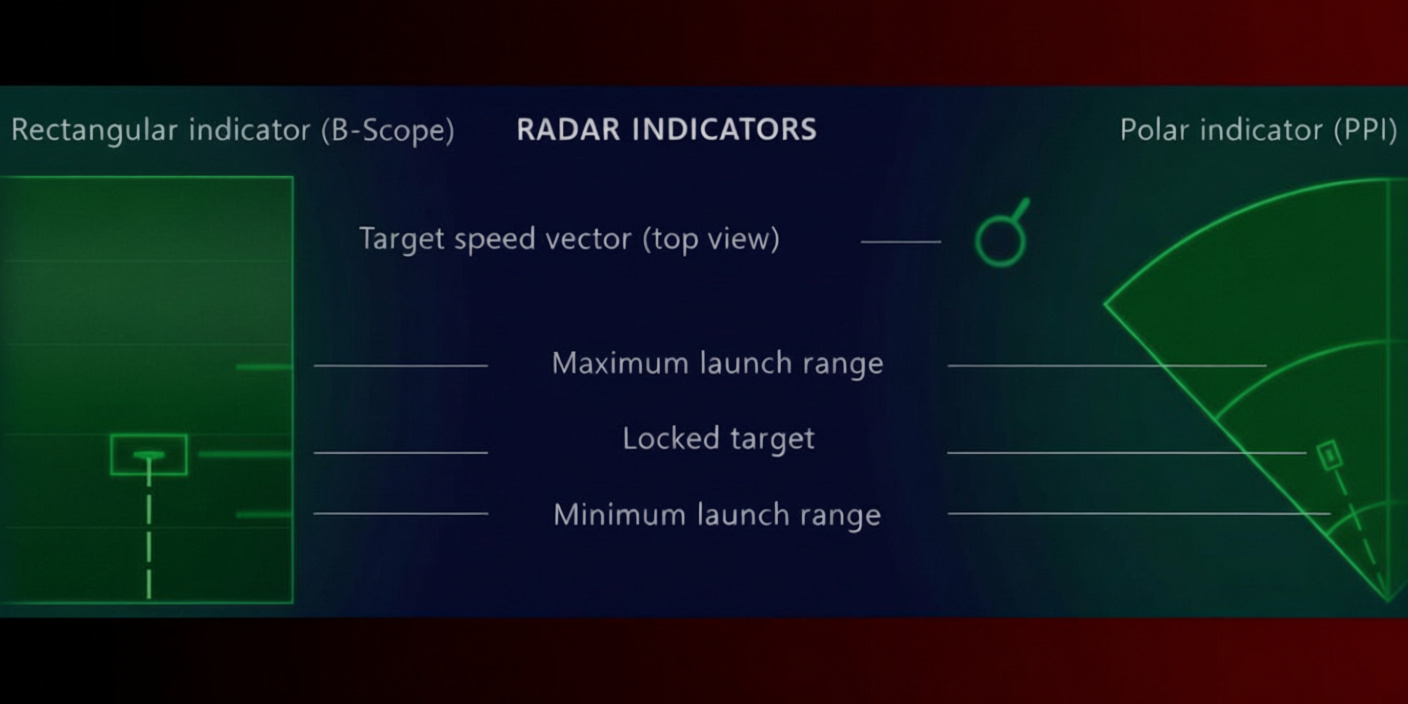
Armament HUD shows min-max on the scope. Velocity vector under the lock square spills side and up/down speeds.
Ground Clutter Nightmare
Low targets flood seekers with earth bounce. Shoot from below at mid-high alts to dodge that.
Pulse-Doppler like AIM-7D/E chase radial speed, skip ground junk at wrong velocities. Price? No pre-launch lock, tough on side-runners, shorter chase range.
SARH needs 1-2 km flight before full guide – dogfight disaster.
Practical SARH Combat Tips
Testing shows AIM-7E-2 shines 5.5-7 km out. High speed off the rail means solid hits there.
Dial radar range right – 46 km fits F-4J for spotting threats.
First SARH shot usually wins. Prime setup: head-ons with targets boosting your way.
ACM mode? Lock late to cut RWR heads-up time. Drill quick locks till muscle memory.
- Prefer head-on SARH shots inside tested effective windows (5.5-7 km for AIM-7E-2).
- Use radar range dial to match platform spotting capability.
- Practice quick lock drills to reduce RWR reaction time.
Active Radar Homing: Fire-and-Forget Sophistication
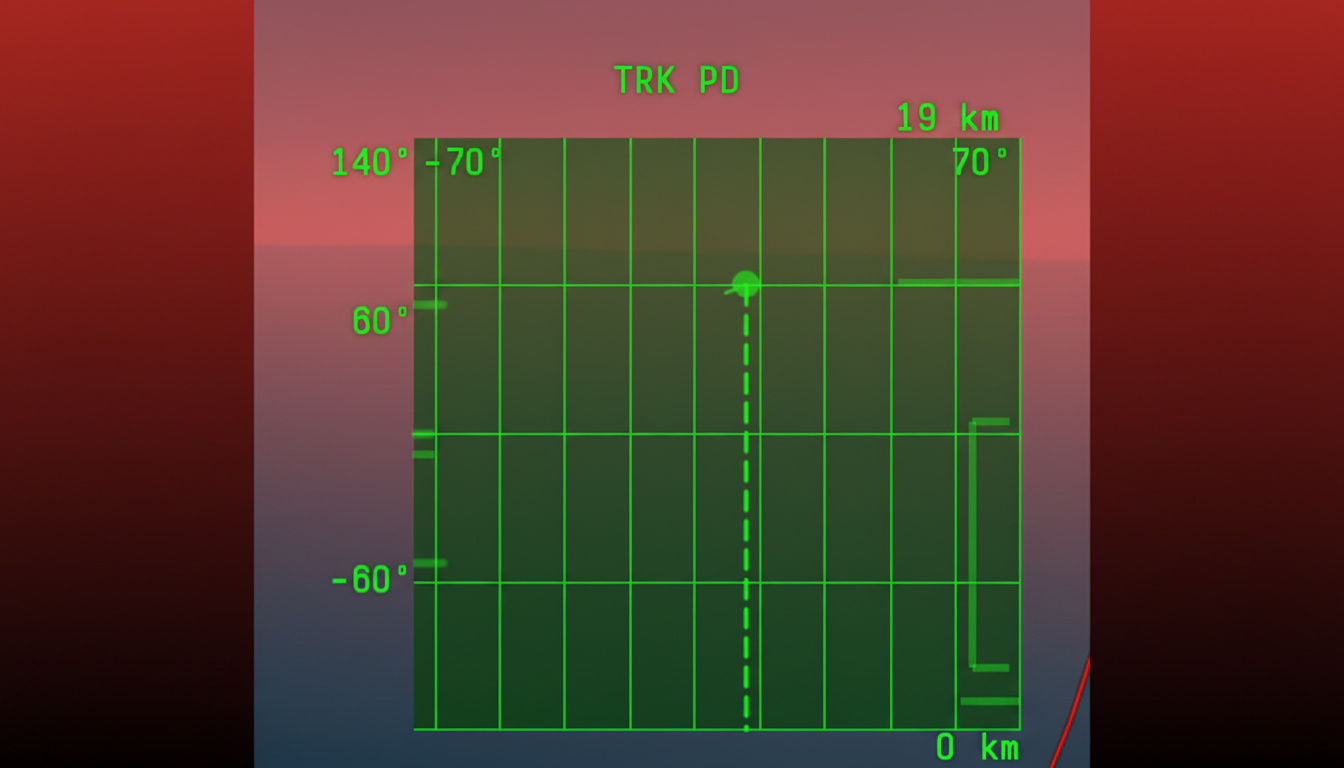
ARH packs its own radar, true fire-and-forget in the endgame. Tiny emitter caps active range at 16 km-ish for most.
Early flight leans on inertia, SARH backup, or your datalink tweaks.
AMRAAM Variants: B vs C5
C5 AMRAAMs dropped in updates, but they’re sidegrades, not straight wins – each pulls different strings.
C5 stretches total range over Bs, but crawls to top speed. Under 15-25 km (alt depending), Bs pull ahead.
C5 ups warhead 15% – bites low-huggers better – and drags a hair less.
F-15E AMRAAM Tactics
F-15E totes just eight AAMs, so picks count. Radar’s narrow view and slow locks hurt.
Offense: Loop in from base edges at 1,500-5,500 m. C5s from 25-32 km tag low flyers – 32 km max punch, 25 km ups odds big.
Load: four C5s, two Bs, two Sidewinders.
Post-shot, swing to map middle and allies – don’t get isolated.
Boom-zoom: Climb 5,000-5,500 m, hold energy edge, cue helmet sight over TWS when you can.
Close load: six AIM-120Bs, two Sidewinders – use speed to flank tight.
Key: Pre-flare locks let IRCCM shutoff block spoofing.
Command Guided Missiles: Manual Control Mastery
Command guided means you fly the missile yourself. Fire, spot the tail flare, steer with sticks.
Big hitch: No plane control during guide. Keys flip to missile. No input? They act like fused rockets. Skip RWR alerts, unlike IR.
Controls and Technique
- Yaw – Shift + A / D – left/right steer
- Pitch – Shift + W / S – up/down
- Fire – Space
Relative control flips the feel:
Off: Keys slam to full steer, drop to zero on release – quick fixes
On: Builds angle slow, holds till you tweak – smoother turns, tougher resets
Advantages and Drawbacks
Ups:
- Ignores flares/chaff
- Silent launch
- Out-turns beam riders
- Rocket fallback
Downs:
- Plane frozen
- Guidance grind
- Spot ’em, dodge ’em
France’s AA-20 Nord maxes 8,000 m guide.
Beam Riding Missiles: Following the Radio Beam
Beam riders chase your nose’s radio cone. Rear sensor keeps it centered – missile goes where you aim.
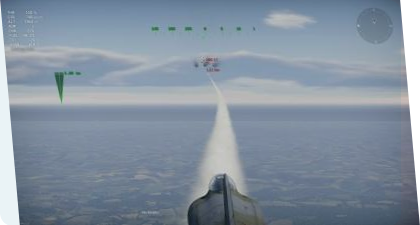
No HUD cues; gentle nose wiggles only.
No RWR either.
Tactical Considerations
Wins:
- Beats countermeasures
- Quiet shot
- Simpler than command
- Fuse option
Flaws:
- Nose glued to target
- Hates turns
- Sharp moves drop beam
- Range fuzzes accuracy
- Early spot, easy evade
UK Fireflash: 10 G, 4,000 m cap.
Caged vs Uncaged Seekers: Understanding the Difference
This split rewires IR pre-fire handling.
Caged fix forward – hold ring on target till ripcord.
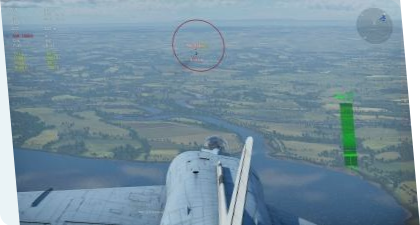
Uncaged track free post-lock. Big outer ring shows loose track zone. Lets you shift while holding, lead shots.
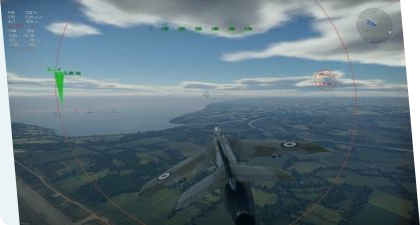
Easier holds, freer setup.
Radar Slaving Capability
Tracking radar planes link IR to radar lock. Activate seeker, it snaps to radar target.
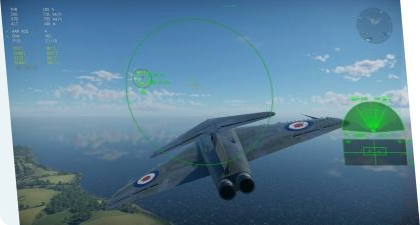
Same perks as uncaged – simple locks, leads. Minus: RWR blares your lock.
Heli gunners or ATGM cams manual-guide via seat or cam, but switch to pilot to fire. Crosshair must track enemy on swap or reset.
Missile Avoidance: Staying Alive
Awareness rules – clock missile carriers, guess their load.
Dodging Command Guided Missiles
Hard turns right away mess their aim. Head-on? Ditch it fast – fuse grabs you.
Evading Beam Riders
Pull over a few Gs, beam breaks – missile’s toast. Head-ons need side breaks now.
Countering Heat-Seekers
Old ones: Out-turn to snap lock
Newer: Barrel roll hard – turn plus roll scrambles guidance
Run it out: If fast enough, weave light to stretch its path, keep your speed
Sun play: Wedge missile sun-side, it chases light (tough in heat; pre-plan it)
Flares + break: Pop ’em, crank away from seeker view
IRCCM beasts need flare walls plus wild moves.
Breaking Radar Locks
Varies by tech:
- Basic radar: Roll and yank to kill lead
- Strong ones: Chaff + notch pulse-Doppler
- ARH: Notch the missile’s radar direct
- Low head-on: Nose down, calc hits dirt – crashes it. Fails if they’re above.

Terrain skim jams signals in clutter.

Weave side-side drains energy, forces hard turns, then overshoot on flip.
Notching: Your Most Important Survival Tool
Notch rules high tiers – pulse-Doppler skips clutter and chaff on closers only.
Turn 90 degrees to the lock.
RWR tip: Tone dies in dead spots. Quiet means belly to their radar – notch hit.
Chaff dump seals it.
Radar sees you as ground – same speed, filtered out.
- Notching is often decisive at high tiers — get the angle and chaff timing right.
- Failure to notch properly usually means the missile stays active and lethal.
Essential Controls and Keybinds
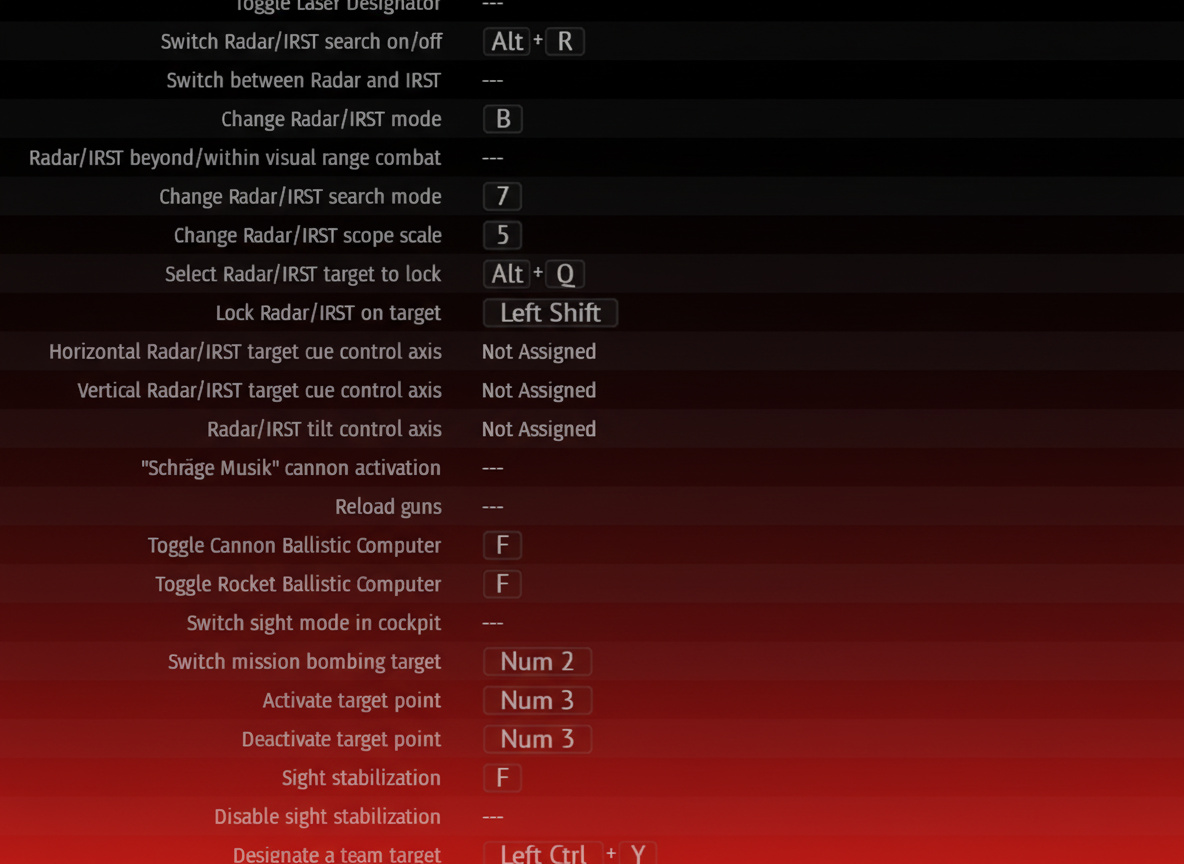
Nail defaults to avoid screw-ups:
| Function | Default Keybind | Purpose |
|---|---|---|
| Weapon lock (IR seeker) | Alt + X | Toggle missile IR seeker on/off |
| Fire air-to-air missile | Alt + Space | Fire once locked; activates seeker if inactive |
| Lock radar target | Alt + F | Locks target with tracking radar |
| Yaw axis (command guided) | Shift + A / Shift + D | Side-to-side missile control |
| Pitch axis (command guided) | Shift + W / Shift + S | Vertical missile control |
Wrong lock pre-fire? Toggle off-on to reset – uncaged ones especially. Cockpit? No rings – growl tells seeker state and lock. Seekers time out if on too long pre-launch. Locks lie – range too far or turns kill ’em.
Countermeasures: Flares, Chaff, and IRCM
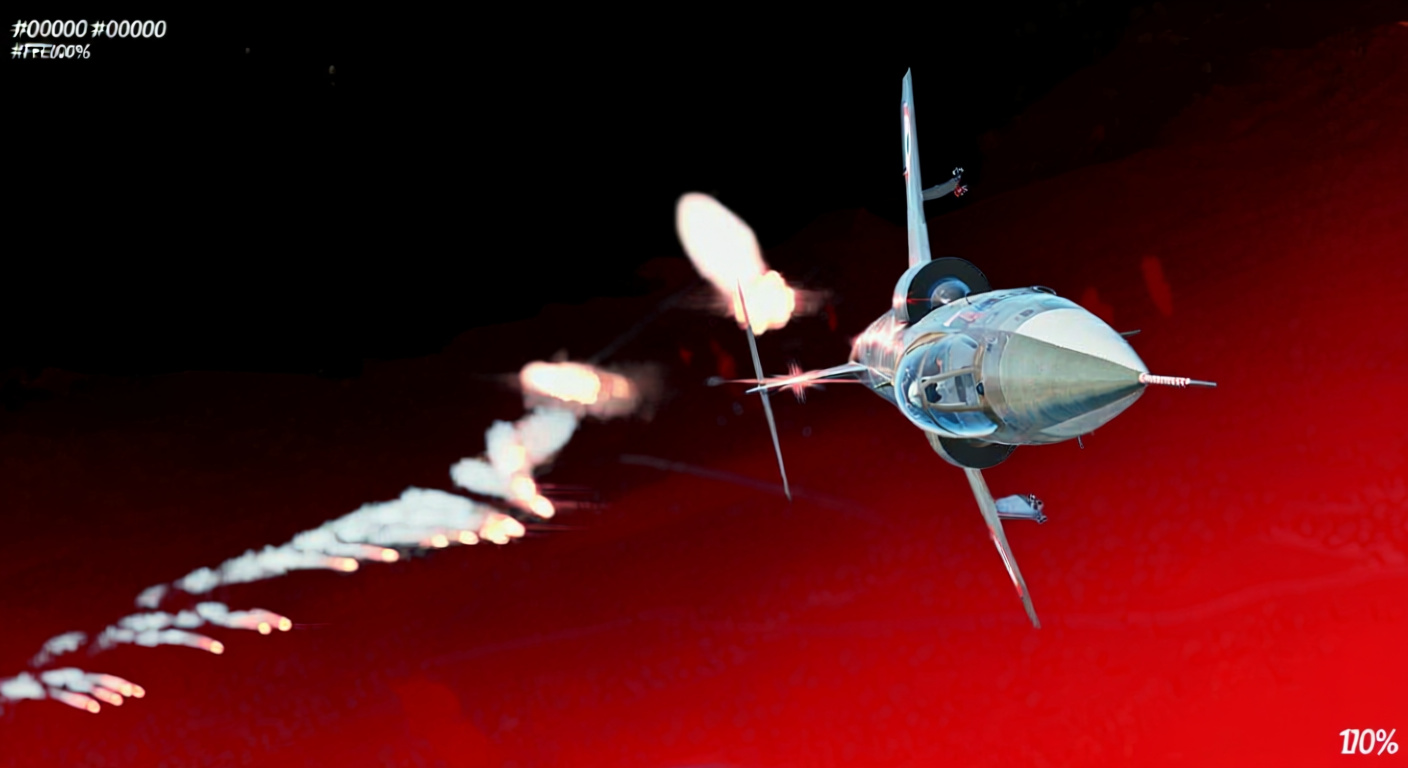
Flares – hot bursts fool IR. New missiles shrug some, but not all.
IRCM – dazzlers/jammers. Old flicker IR jams path; new lasers blind seekers. Helis pack most, Su-25T/Su-39 too.
Chaff – foil clouds fake radar like flares do heat.
Flares demand afterburner kill – biggest heat leak. Angle off exhaust view.
Mach heats the frame – slow for cooler profile.
Top Radar-Guided Missiles: Community Insights
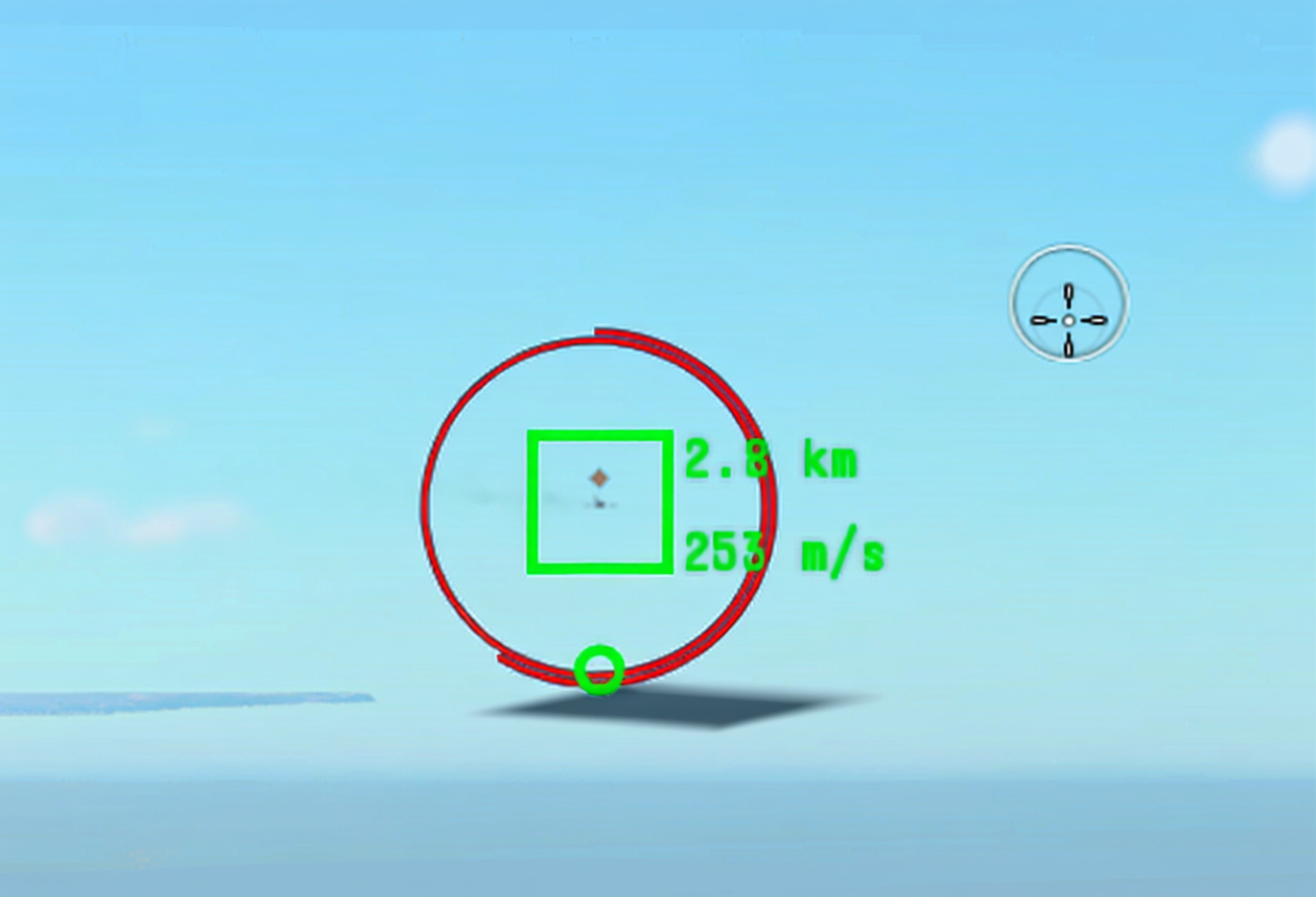
Players scrap over top radar picks, styles clash hard.
- MICA crushes close – 60 G pulls shred at 7-8 km gimbal head-ons.
- PL-12 mirrors AIM-120 start but stretches further, turns tighter per tests.
- Derby and R-Darter solid mid-pack – shine at gimbal limits head-on.
- R-77 splits crowds; some call it meh, others dig quirks.
- AIM-120 draws fire – flops over 20 G, hates off-bores, but range fans swear by it. Playstyle picks winner.
Bottom line: Match missile to spot, or you’re just feeding kills.
This guide crams every key War Thunder missile bit, mechanics to tricks. Pin it – those edges turn deaths into wins as you grind BRs. Subtle rules and plays separate the downed from the dominators.