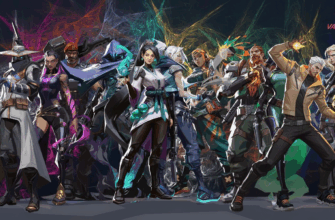


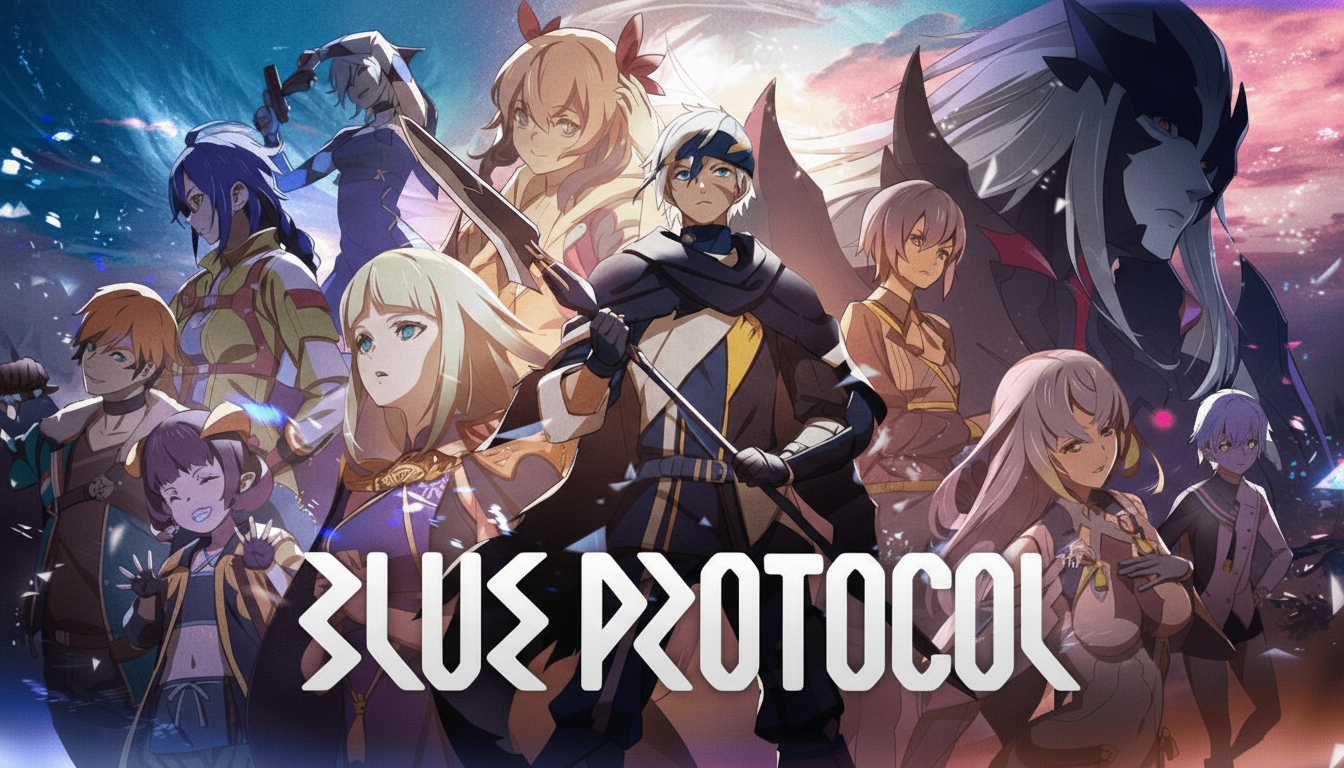
Straight up, Blue Protocol: Star Resonance is a gorgeous mess. I’ve sunk real hours into this cross-platform anime MMORPG, and yeah, I’ve got mixed feelings that need unpacking.
What Exactly Is Star Resonance?
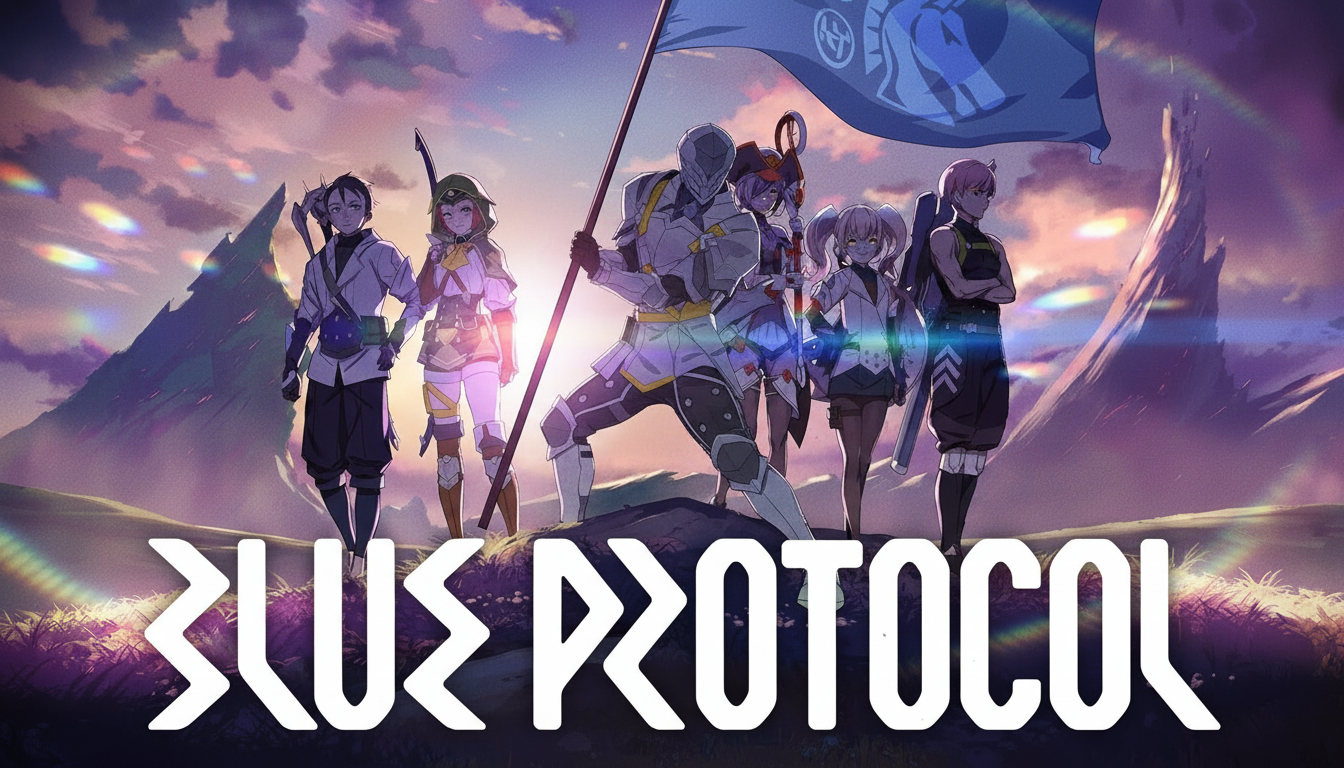
Picture it as a phoenix rising from ashes – but one that forgot some of its feathers. After the original Blue Protocol hit Western release nightmares and eventual shutdown, developers Shanghai Bokura Network Technology rebuilt the concept from scratch. Now we’ve got this PC and mobile hybrid promising action combat, co-op dungeons, world bosses, guilds, housing, and those slice-of-life systems anime fans adore.
The catch? It launched October 9, 2026, and the reception has been… polarizing.
First Impressions – The Good Stuff
Visuals That Actually Deliver
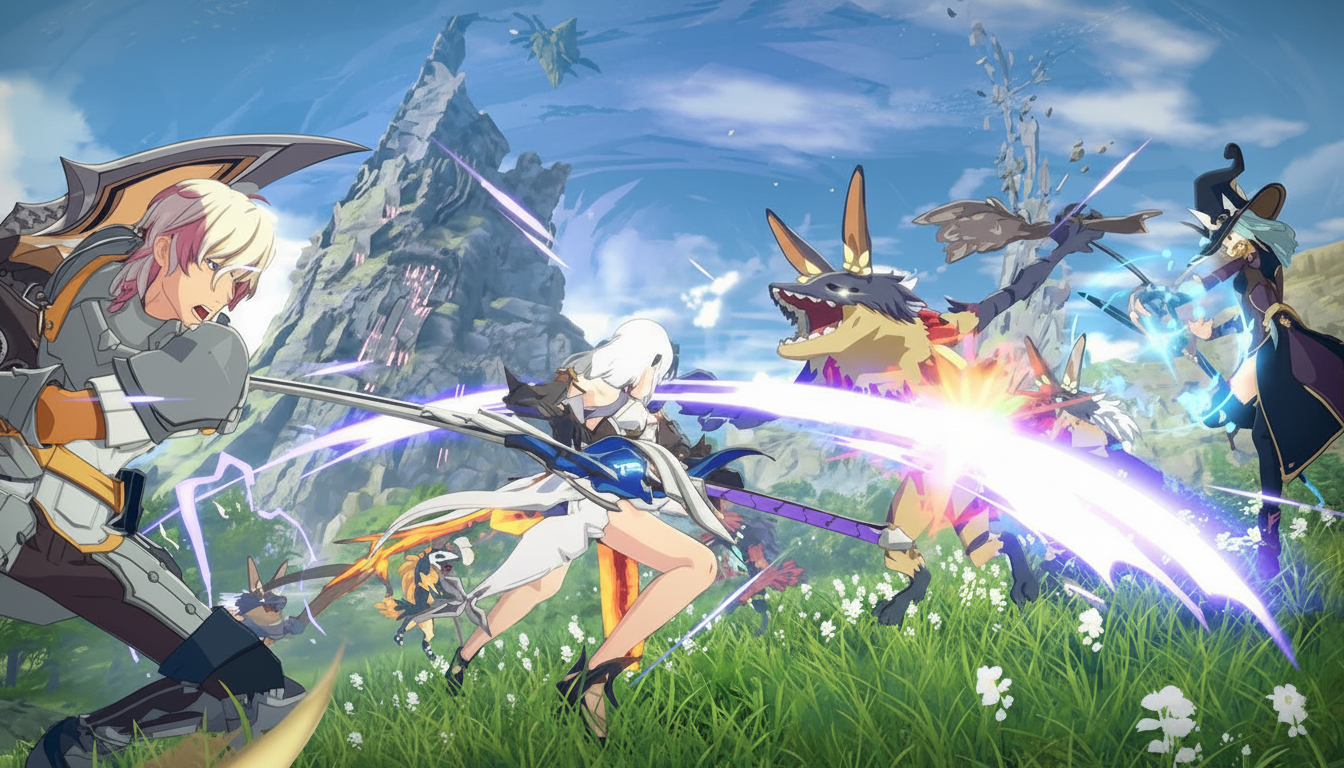
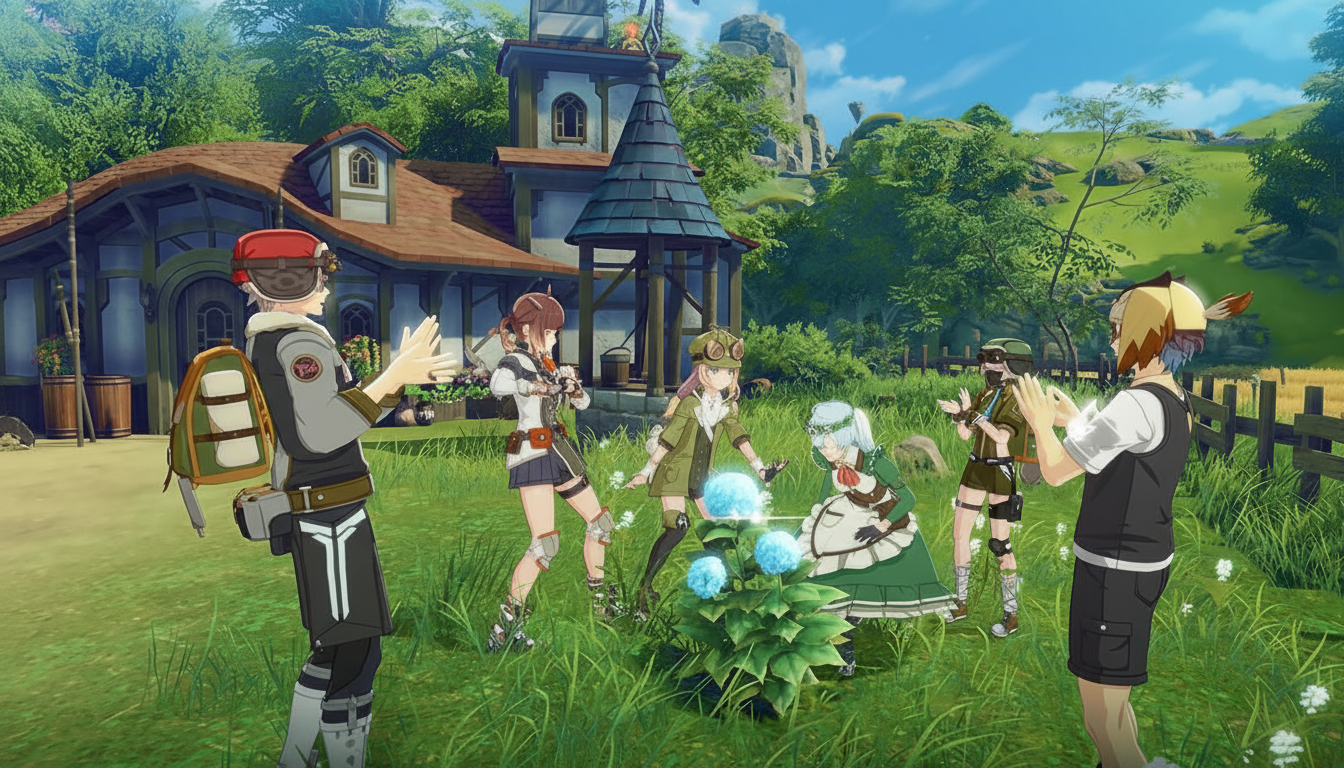
The anime aesthetic isn’t just marketing fluff here. Character models are sharp, NPCs have genuine expression, and environments nail that cohesive art direction. Each zone feels carefully crafted rather than procedurally slapped together.
The character creator deserves special praise – especially considering this game needs to run on phones. You get:
- Separate customization for front hair, back hair, and crown sections
- Color gradients and highlights (not just flat dye jobs)
- Three to five options for each facial feature
- Full sliders for body proportions and skin tone
- Clothing preview with dyeing before you even finalize your character

For a mobile-capable title? That’s honestly impressive.
Combat That Feels Alive (Sometimes)
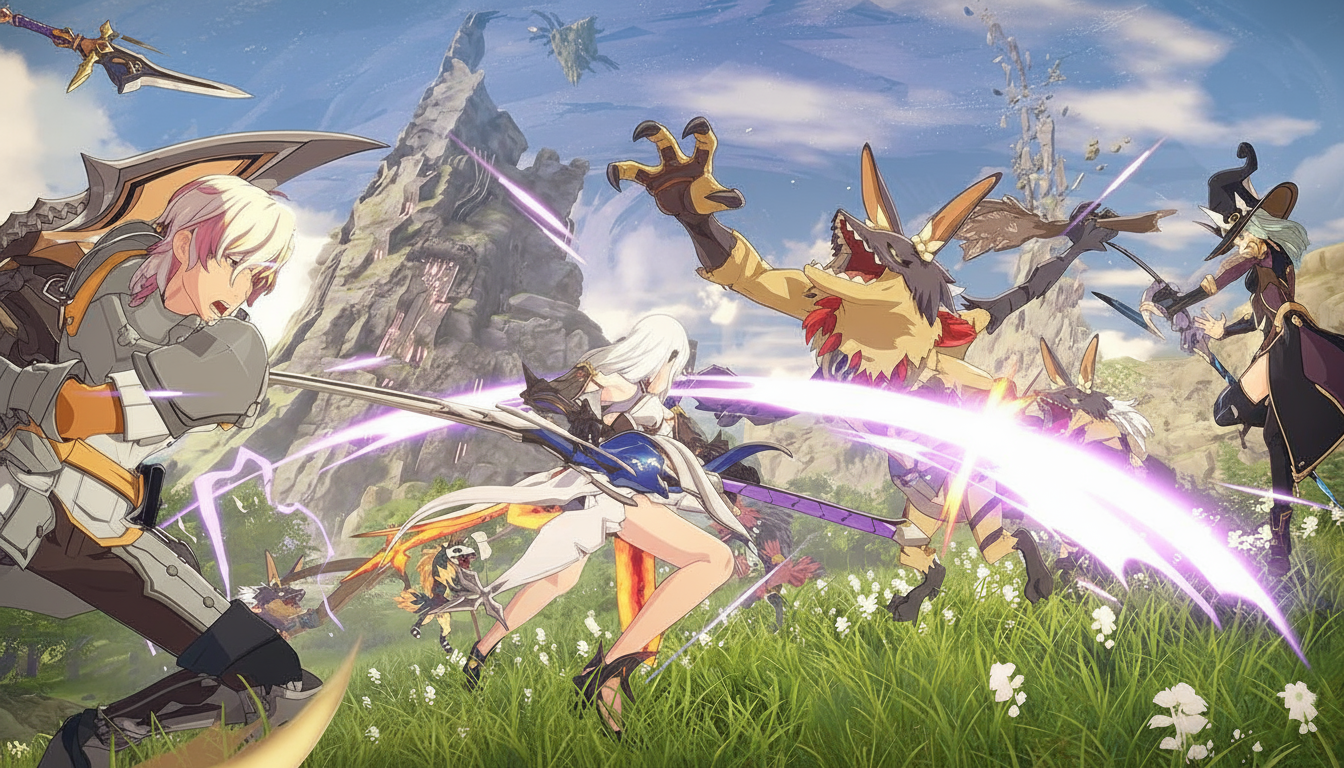
When the combat clicks, it genuinely satisfies. This isn’t tab-targeting snooze-fest nonsense – you’re dodging with i-frames, timing perfect evades, and actively participating in boss mechanics.
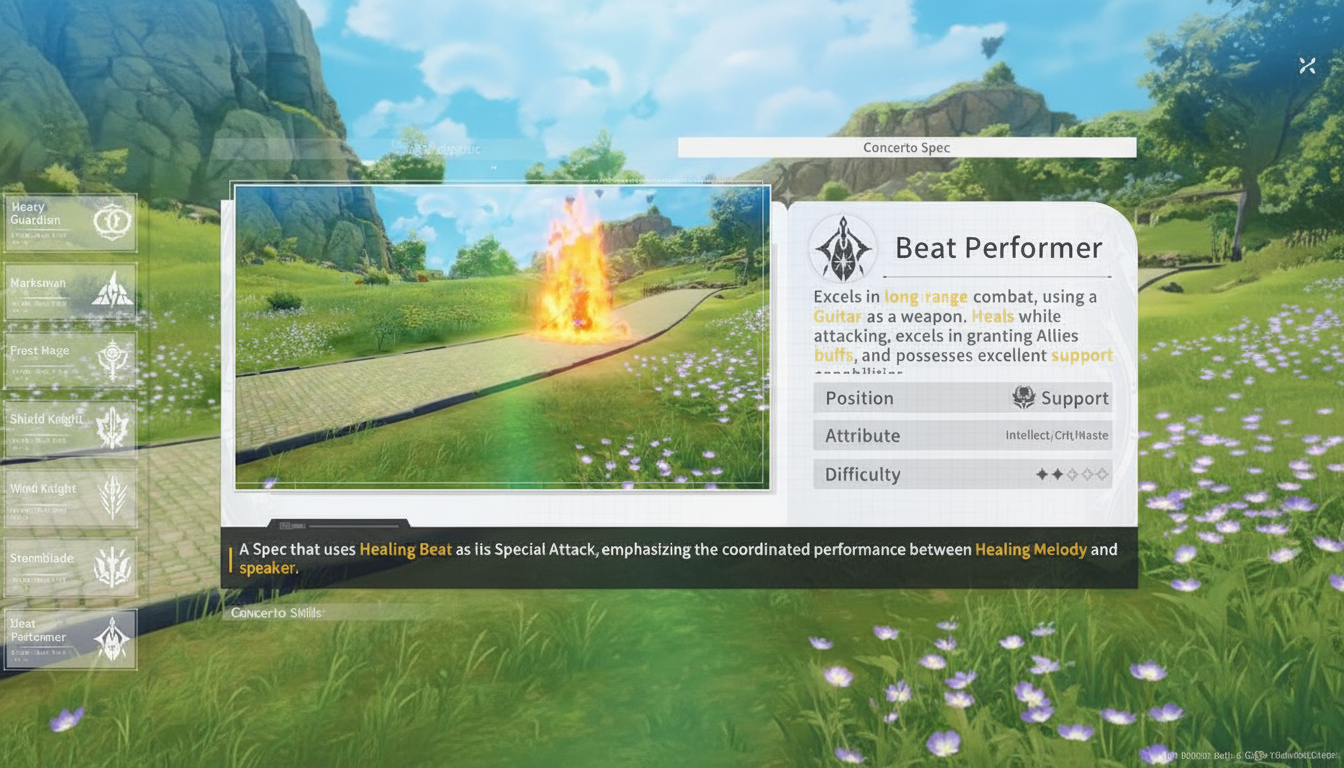
The class variety shows ambition:
- Wind Knight with spear mobility
- Stormblade offering sword/scythe versatility
- Heavy Guardian for traditional tanking
- Marksman ranged DPS
- Frost Mage for AOE control
- Verdant Oracle healing/support
- Soul Musician (yes, guitar-based healing exists here)
Each class eventually splits into two specializations. Take Stormblade – you can either stack Thunder Sigils through Iaido Slash Spec for massive burst damage, or go Moonstrike Spec which consumes sigils periodically for sustained output.
That MMORPG Scale
Channels support up to 500 players simultaneously. When world bosses spawn? You’ll see dozens of adventurers converging on the target, creating chaotic battles that genuinely feel alive and communal.
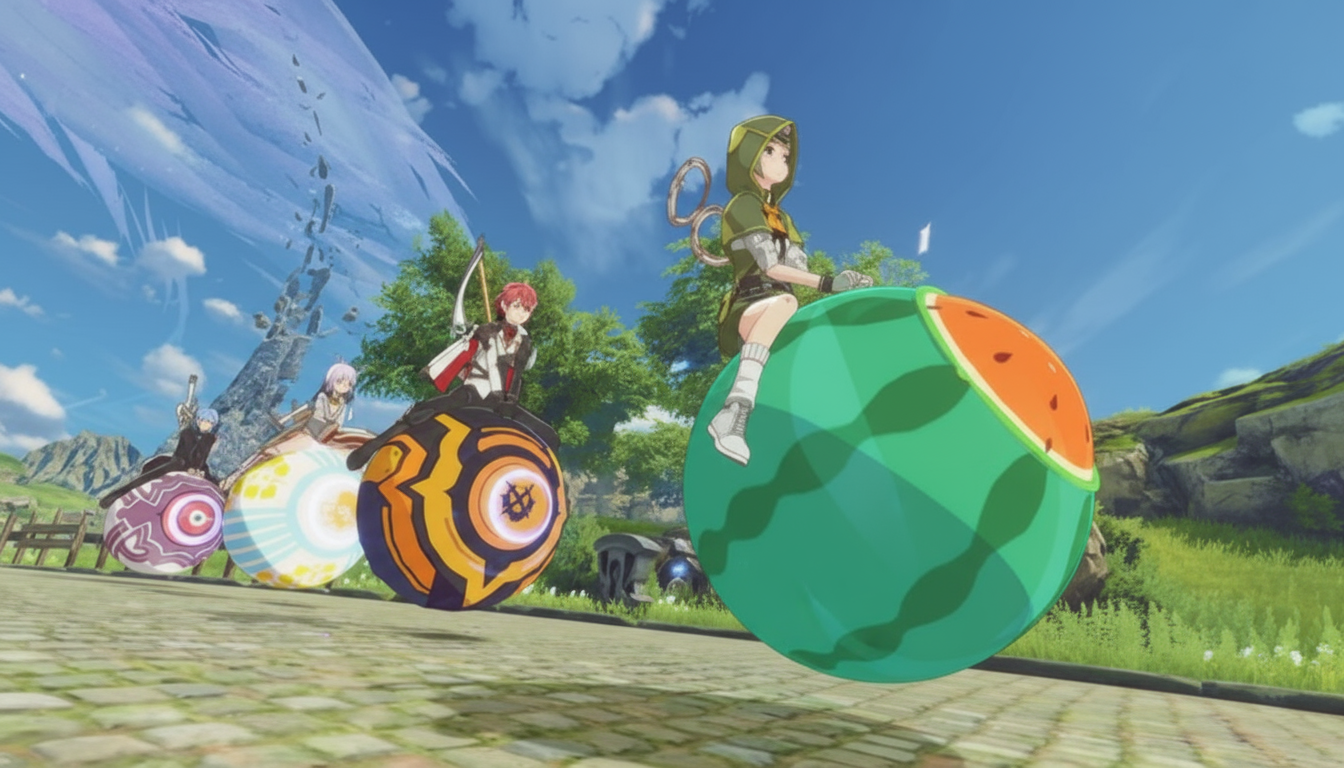
Exploration includes double-jumps, gliding mechanics, and movement challenges hiding collectibles. Treasure hunting rewards curiosity rather than punishing it.
Where Things Start Falling Apart

The Auto-Combat Problem
Here’s where I get frustrated. The game includes auto-combat and auto-navigation – customizable systems that optimize your skill rotations and pathfind to quest markers automatically.
Sure, it’s optional. But here’s the dirty secret: it becomes convenient frighteningly fast.
Weak mobs? Auto it. World boss chaos with forty other players? Auto it. Suddenly you’re watching rather than playing, and the line between “MMORPG” and “idle game” gets uncomfortably blurry.
To the developers’ credit, there’s no auto-gather – you still manually click resource nodes. Small mercy.
Time-Gates Everywhere
Campaign progression acts as your primary XP source, but it’s artificially stretched across days. Example progression timeline:
- Day 1: level cap sits at 21
- Max level 60: reachable after 13 days minimum
This isn’t organic pacing. It’s manufactured retention forcing you to log in daily whether you’re genuinely enjoying content or just checking boxes.
Between main story sections? Some players reported wait timers exceeding 17 hours during beta testing. Imagine hitting narrative momentum… then staring at a countdown because the game decided you’ve had enough story for today.
Stamina Systems Strangling Progression
Daily stamina caps at 400, with account maximum at 2,000 (effectively five days of overflow). Life skills – fishing, mining, foraging, all that good stuff – drain this shared pool.
Want to craft high-tier materials? Stamina cost. Want to gather tradable resources? Stamina cost. The system exists ostensibly to prevent bot flooding and market manipulation, but it equally throttles genuine players who just want to engage with professions meaningfully.
Dungeons thankfully don’t consume stamina for runs. Raids, however, hit weekly entry limits.
The Monetization Minefield
Currency Confusion
Buckle up – this gets messy. Two primary currencies exist:
Luno (in-game currency) and Rose Orbs (premium currency)
But wait, there’s more! Both come in bound and unbound variants:
- Bound Luno: earned through gameplay; cannot be used on marketplace
- Unbound Luno: required for auction purchases; obtained by selling items or converting paid Rose Orbs
- Bound Rose Orbs: rewards from weeklies/dailies/events
- Unbound Rose Orbs: purchased with real money; convertible to Unbound Luno or premium gacha items
Beyond these? Multiple specialized tokens, gems, vouchers – over half a dozen different economy widgets designed to obscure exactly what you’re spending and why.
The Pay-to-Win Vector
Converting paid Rose Orbs into Unbound Luno creates direct purchasing power on the auction house.
Whales can bypass timegates by buying from other players. Premium currency translates to market dominance.
The monthly pass/battle pass compounds advantages:
- Increased rewards across activities
- Higher auction listing allowances
- Reduced marketplace fees
- Shop refreshes
- EXP boosts
- Premium gear access
Free players face selling limits and higher tax rates. The auction system becomes two-tiered – subscribers operate with advantages that compound over time.
Gacha Layering
Cosmetic gacha exists for outfits and mounts. Fair enough – optional vanity items.
But Battle Imagines? These summon/assist gear pieces also exist in gacha form. High-tier imagines (~38 total at current count) drop at abysmal rates from elite/boss keys. You can craft them eventually… or pull the slot machine. Some character upgrades bypass world interaction entirely if you’re willing to pay.
Endgame – Repetition Without Innovation
After hitting max level (assuming you’ve waited through the time-gates), you’re looking at:
- Dungeons: Goblin Lair, Dark Mist Fortress, and similar instances with varying difficulties and floors. Run repeatedly for gear with randomized stats
- Raids: Multi-tier difficulty, weekly entry limits, mechanical execution requirements
- Stimen Vaults: Floor-climbing challenges under time limits
- Class Trials: Class-specific progression challenges
Gear progression involves multiple RNG layers – random stat rolls, refinement, perfection, rerolling, and gem socketing. You’ll repeat content endlessly chasing optimal combinations.
Combat can feel satisfying depending on class and build, but the loop doesn’t innovate. It’s competent dungeon grinding that’s been done better elsewhere.
Launch Performance and Technical Reality
Player Numbers Tell Stories
Steam concurrent players peaked at 94,459 on launch day – respectable start. By day two? Dropped to ~75,000. Subsequent days saw fluctuation between 73,000 and 83,672.
Google Play shows 4.4 stars from roughly 10,000 reviews with over 100,000 downloads reported.
The numbers suggest curiosity followed by rapid player attrition.
Regional Server Problems
NA servers hosted launch, producing predictably terrible ping for EU and Australian players. No Southeast Asia server existed initially, though regional publishing plans supposedly exist.
Higher latency in action combat? That’s not theoretical annoyance – that’s missing dodge windows and eating preventable damage because your inputs arrive late.
The Story Nobody Talks About
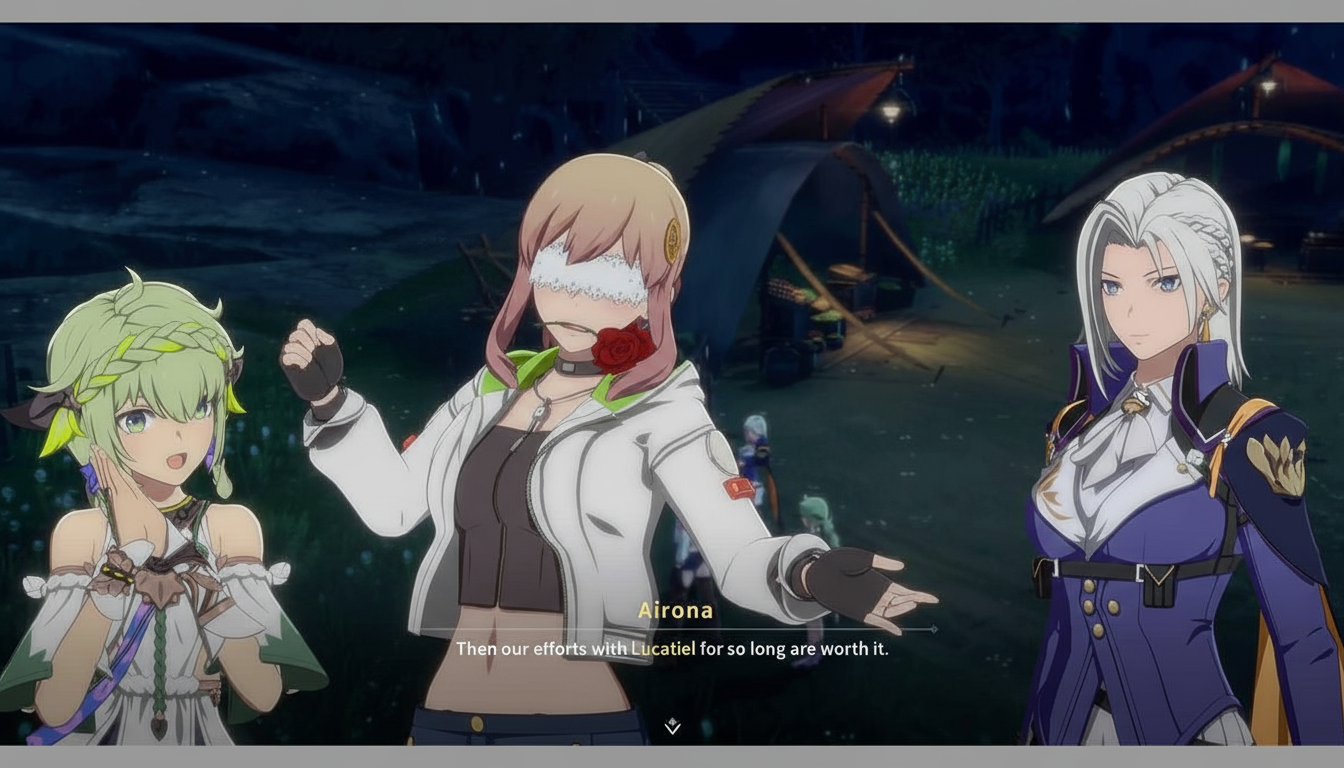
Campaign follows NPC Airona through painfully straightforward tasks. Early content leans slice-of-life lighthearted before bigger threats emerge later.
Quests boil down to:
- Follow quest indicators
- Talk to NPCs
- Kill weak enemies
- Collect arbitrary items
- Repeat
Dialogue frequently feels stilted – potentially machine-translated in places. Exposition dumps interrupt pacing. Most players I’ve observed skip dialogue entirely because it rarely justifies attention.
The story isn’t offensively bad. It’s just… there. Occupying space between systems without creating compelling narrative momentum.
Social Systems and Life Skills
Housing and Guild Features
Private islands unlock for customization, decoration, and farming. It’s leisurely endgame content for players who enjoy creative expression.
Guilds offer:
- Upgradeable guild hubs and spaces
- Guild challenges and unique shops
- Bonus stats when playing with guild members
The social infrastructure exists. Whether communities form organically depends on retention – hard to build guilds when players drop off rapidly.
Ten Professions, One Stamina Pool
Alchemy, cooking, geology, and seven other professions create interconnected crafting webs. Systems feed into each other elegantly on paper.
In practice? Daily stamina restrictions mean you’re constantly choosing between professions rather than meaningfully engaging with multiple simultaneously. It’s artificial scarcity creating frustration instead of strategic choice.
Light Dragon Hard Mode – Mechanics Breakdown
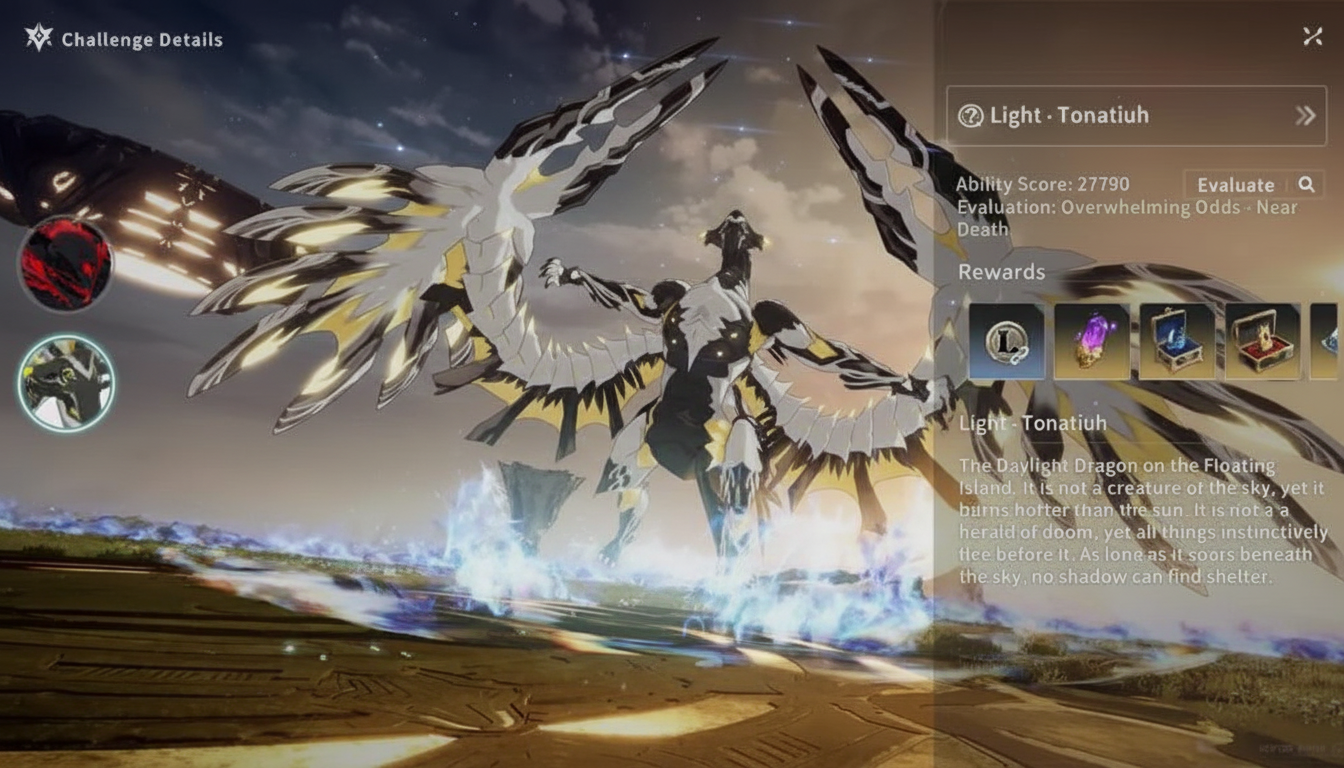
Phase One – Crystal Positioning
Tanks position boss center, facing away from party. Boss targets two players with AoE markers – one takes their circle to center, other to arena edge. Crystals spawn at these locations.
Breath Attack Timing
Watch boss face for Breath animation. Activate the crystal precisely to generate protective shield. Miss timing? Party eats massive AoE damage.
Purifying Light: Focus
AoE closes from outside toward center. Use crystal teleportation to move between crystals strategically.
Stack Mechanic
Post-teleport, three players receive stack markers. Group together to share damage – spreading kills whoever gets hit solo.
Purifying Light: Scatter
Prioritize outer crystal first. Golden fire indicator signals imminent Purifying mechanic – visual cue for positioning prep.
Crystal Islands Final Phase
Arena gets fully targeted. Party splits – Party 1 left side, Party 2 right side. Face the island directly; positioning bugs can cause instant death.
Crystal Destruction Strategy
Crystals have shields. Destroy shield first, then crystal. Breaking shields applies debuff increasing damage taken from that specific crystal. Use teleportation to swap sides and manage debuff stacks.
Final Orbs
Orbs spawn around arena. One player grabs orb and kites away from group. Overlapping AoEs cause lethal damage – spatial awareness matters.
These mechanics demand execution. Auto-combat won’t save you in serious content – which creates cognitive dissonance with how much the game encourages automation elsewhere.
System Requirements – Can You Even Run It?
| Component | Requirement |
|---|---|
| OS | Windows 10 64-bit |
| Processor | Intel i7-8700 / AMD Ryzen 5 3600 |
| Memory | 16 GB RAM |
| Graphics | NVIDIA GTX 1060 6GB / AMD RX 580 |
| DirectX | Version 11 |
| Storage | 35 GB available space |
| Component | Requirement |
|---|---|
| Processor | Intel i7-11700K / AMD Ryzen 7 5700X |
| Graphics | NVIDIA RTX 2060 / AMD RX 5600 XT |
Note: Steam Deck unsupported. The game implements kernel-level anti-cheat (Anti-Cheat Expert ACE), requires agreement to third-party EULA, and demands consistent internet connection.
Kernel-level anti-cheat and required third-party EULA may affect platform compatibility and privacy preferences.
Community Sentiment – The Honest Take
Steam reviews sit around 25% positive, 75% negative. Major complaints include:
- Inability to rebind controls (specific complaint about arrow key rebinding)
- Visual problems – blurriness despite motion blur disabled, shadow flickering
- Daily activity caps restricting preferred playstyles
- Monetization feeling predatory rather than reasonable
- No EU servers creating latency nightmares
One particularly scathing Steam post summarized: “doesn’t feel like a real game – everything feels sterile, disconnected, hidden behind endless menus. Constantly clicking through dozens of reward screens, daily missions, pop-ups, unnecessary systems.”
Another player stated bluntly: “This is mobile trash fire that will be dead in one year.”
Harsh? Maybe. Entirely unfounded? Unfortunately not.
Platform Experience – Mobile vs PC
Interestingly, some reviewers enjoyed the game more on mobile than PC. The breezy pacing and bite-sized session design fits phone usage better than dedicated desktop gaming.
When you frame Star Resonance as “something to occupy your commute” rather than “serious MMORPG experience,” expectations shift. The auto-combat becomes less offensive. The time-gates feel like natural session breaks. The gentle soundtrack (warm strings, ambient flutes) suits casual engagement.
But cross-play means PC players encounter design decisions optimized for phones – and that friction shows.
The Genshin Impact Shadow
Star Resonance wears influences obviously. Genshin Impact and Honkai: Star Rail DNA runs throughout – from gacha structures to world design philosophy to currency complexity.

The problem? It’s imitation missing something essential. Genshin succeeds because exploration genuinely rewards curiosity, combat demands mastery, and systems interlock elegantly. Star Resonance mimics surface elements without capturing underlying magic.
Open world feels big but not surprising. Traversal lacks rewarding discovery. Combat appears active but often disconnects – enemies don’t hit hard enough to create tension, and auto-optimization removes skill expression.
It’s pretty and pleasant but lacks pulse beneath the shine. No friction, no discovery, no moments where systems crystallize into something greater than component parts.
Should You Play Blue Protocol: Star Resonance?
Play it if
- You’re starved for anime MMORPGs and already exhausted alternatives
- Mobile-friendly design fits your lifestyle (commutes, waiting rooms, etc.)
- You genuinely don’t mind time-gates and stamina systems
- Free-to-play means low commitment risk
- Character customization and visual presentation matter more than mechanical depth
Skip it if
- You want innovation rather than competent imitation
- Predatory monetization patterns trigger immediate refund instincts
- You’ve already played Genshin Impact and want something different (not just mobile-ified)
- Time-gated progression feels disrespectful to your schedule
- Regional server issues make latency unacceptable
Final Verdict
I wanted to love Star Resonance. The bones of something worthwhile exist – solid character creation, occasionally satisfying combat, beautiful art direction, genuine MMORPG scale.
But time-gates extend shallow content artificially. Auto-combat undermines action gameplay identity. Currencies create deliberately confusing economy designed to nudge spending. Story quests feel like chores between systems. Regional servers screw over non-NA players.
It’s not offensively terrible – just aggressively mediocre. A fine way to pass time without creating compelling reasons to prioritize it over alternatives.
My score: 5.5/10 – Competent execution of tired formulas with enough problems to prevent recommendation.
The saddest part? This represents Blue Protocol’s second chance after the original’s Western failure. Instead of learning lessons and innovating boldly, developers played it safe with mobile-friendly conventions and predatory monetization.
Star Resonance won’t die immediately – F2P titles can zombie along for years with skeleton communities. But that Steam player dropoff and overwhelmingly negative reception? That’s the market speaking clearly.
If you’re curious, try it – free-to-play removes financial risk. Just set expectations appropriately. This isn’t the anime MMORPG savior anyone hoped for. It’s another gacha-infused grind machine wearing pretty clothes.
And honestly? We deserve better.